The Essential 500-Hour Preventative Maintenance Checklist for Packaging Lines
Actionable maintenance protocols for heating elements, drive belts, pneumatic cylinders, and optical sensors to prevent unexpected line stoppages.
Unplanned downtime on an automated packaging line can cost thousands of dollars per hour. Implementing a disciplined 500-hour preventative maintenance schedule ensures maximum machinery longevity and consistent quality.
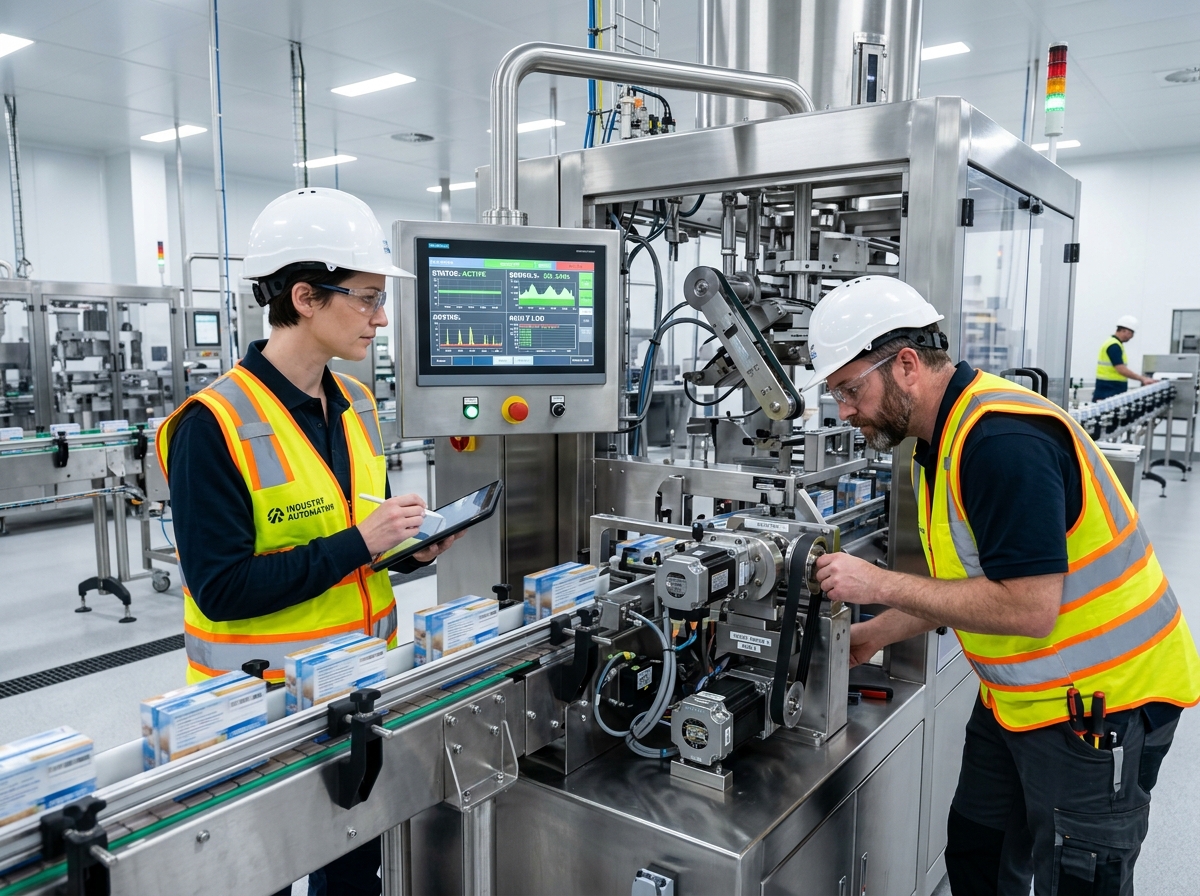
Key checkpoints include: 1) Thermal resistance checks on sealing elements; 2) Tensioning and alignment of silicon and timing belts; 3) Purging moisture traps on pneumatic filters and lubricating cylinder seals; 4) Cleaning optical sensor lenses from airborne packaging dust; and 5) Inspecting cutter knife clearances.
VPX Machinery provides dedicated annual maintenance contracts (AMC) and stocked original equipment spare kits to keep factory lines humming seamlessly.
Furthermore, operators must establish a consistent line speed that synchronizes seamlessly with the feeding systems to prevent bottlenecks. Modern machinery utilizes advanced PLC frameworks to automatically recalibrate feeding intervals when upstream supply fluctuates. This proactive approach not only minimizes rejected packs but also significantly reduces the wear and tear on sealing components.
Another critical factor in long-term operational success is the quality of the packaging film itself. Multi-layered films offer superior barrier properties against moisture and oxygen, extending the product's shelf life. However, these films necessitate precise temperature tuning on the sealing jaws. Even a slight deviation of a few degrees can result in a weak seal that compromises the product's integrity during transit.
Looking ahead, the integration of IoT sensors within the packaging line provides real-time analytics and predictive maintenance alerts. By analyzing historical performance data, factory managers can preemptively schedule maintenance for high-wear parts like cutting knives and heating elements, thereby avoiding costly unplanned downtime and maintaining optimal overall equipment effectiveness (OEE).
Ultimately, achieving maximum efficiency requires a holistic approach that balances mechanical precision, material quality, and proactive maintenance. Investing in state-of-the-art packaging technology and training operators to fully leverage these capabilities is the most reliable pathway to sustainable profitability in the highly competitive food packaging industry.

Pravin Joshi
Chief Applications Engineer