Calculating the Real ROI of End-of-Line Packaging Automation in 2026
How transitioning from manual carton taping and pallet wrapping to automated flap sealers and turntable wrappers pays for itself within 7 to 11 months.
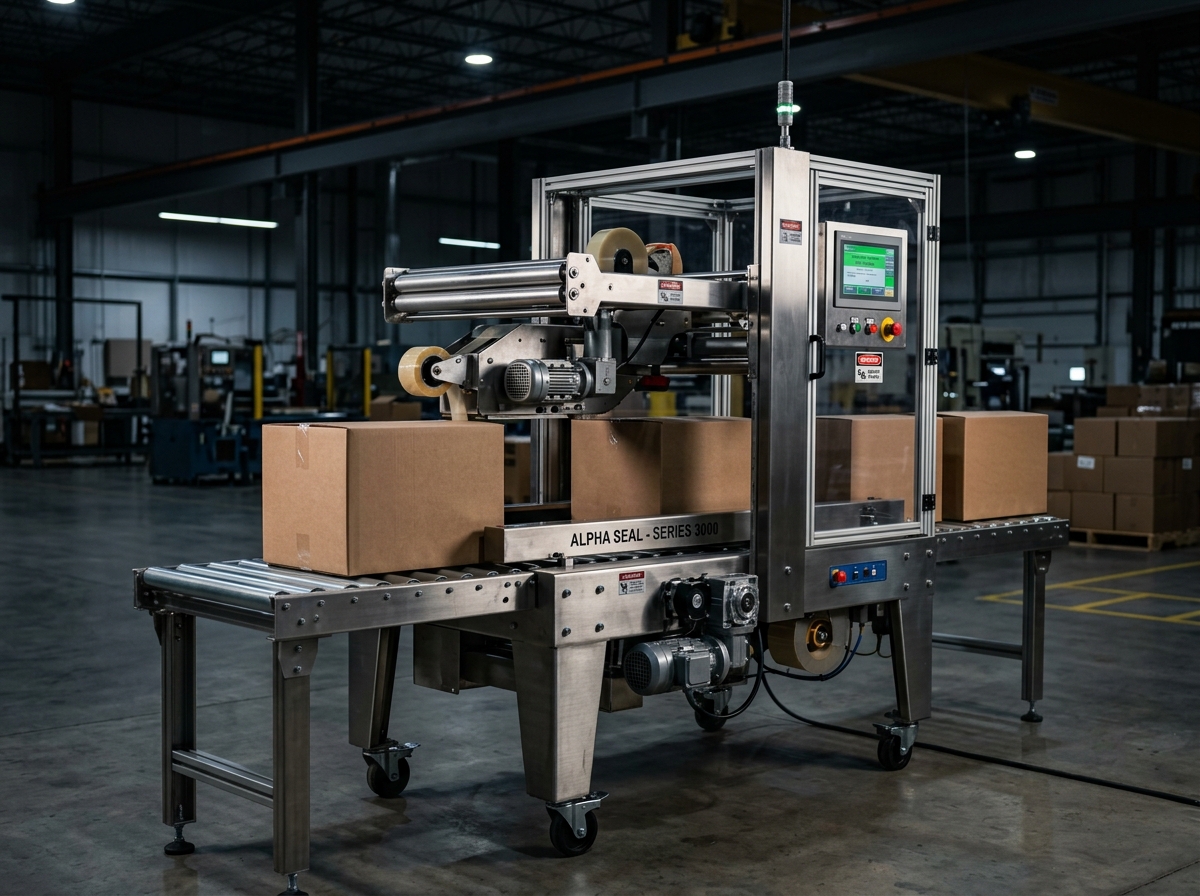
End-of-line bottlenecks remain one of the hidden drains on factory efficiency. While primary packaging lines may produce hundreds of units per minute, manual carton folding, taping, and hand-applied stretch wrapping create severe dispatch delays.
When evaluating the return on investment (ROI) for automated carton sealers and motorized pre-stretch pallet wrappers, manufacturers must look beyond direct labor hours savings. Key financial multipliers include:
1. Film Savings: Motorized powered pre-stretch carriages (300% ratio) reduce stretch film consumption by 50% to 65% compared to manual hand-wrapping.
2. Transit Damage Reductions: Uniform, tensioned pallet wrapping virtually eliminates load shifting and pallet collapse during heavy truck transit.
3. Throughput Constancy: Automated equipment maintains consistent output through entire 8-hour shifts without fatigue-related pace drops.
For a typical 3-shift manufacturing facility dispatching 600 cartons daily, the total capital expenditure of an automated sealing and wrapping cell is typically amortized in under 9 months.
Furthermore, operators must establish a consistent line speed that synchronizes seamlessly with the feeding systems to prevent bottlenecks. Modern machinery utilizes advanced PLC frameworks to automatically recalibrate feeding intervals when upstream supply fluctuates. This proactive approach not only minimizes rejected packs but also significantly reduces the wear and tear on sealing components.
Another critical factor in long-term operational success is the quality of the packaging film itself. Multi-layered films offer superior barrier properties against moisture and oxygen, extending the product's shelf life. However, these films necessitate precise temperature tuning on the sealing jaws. Even a slight deviation of a few degrees can result in a weak seal that compromises the product's integrity during transit.
Looking ahead, the integration of IoT sensors within the packaging line provides real-time analytics and predictive maintenance alerts. By analyzing historical performance data, factory managers can preemptively schedule maintenance for high-wear parts like cutting knives and heating elements, thereby avoiding costly unplanned downtime and maintaining optimal overall equipment effectiveness (OEE).
Ultimately, achieving maximum efficiency requires a holistic approach that balances mechanical precision, material quality, and proactive maintenance. Investing in state-of-the-art packaging technology and training operators to fully leverage these capabilities is the most reliable pathway to sustainable profitability in the highly competitive food packaging industry.

Alok Mehta
Director of Automation Systems